Impact of Regional Banking Regulations on Reward Redemption Rates in Wheel and Card Digital Platforms
Blake Schwarz · Oct 15, 2026
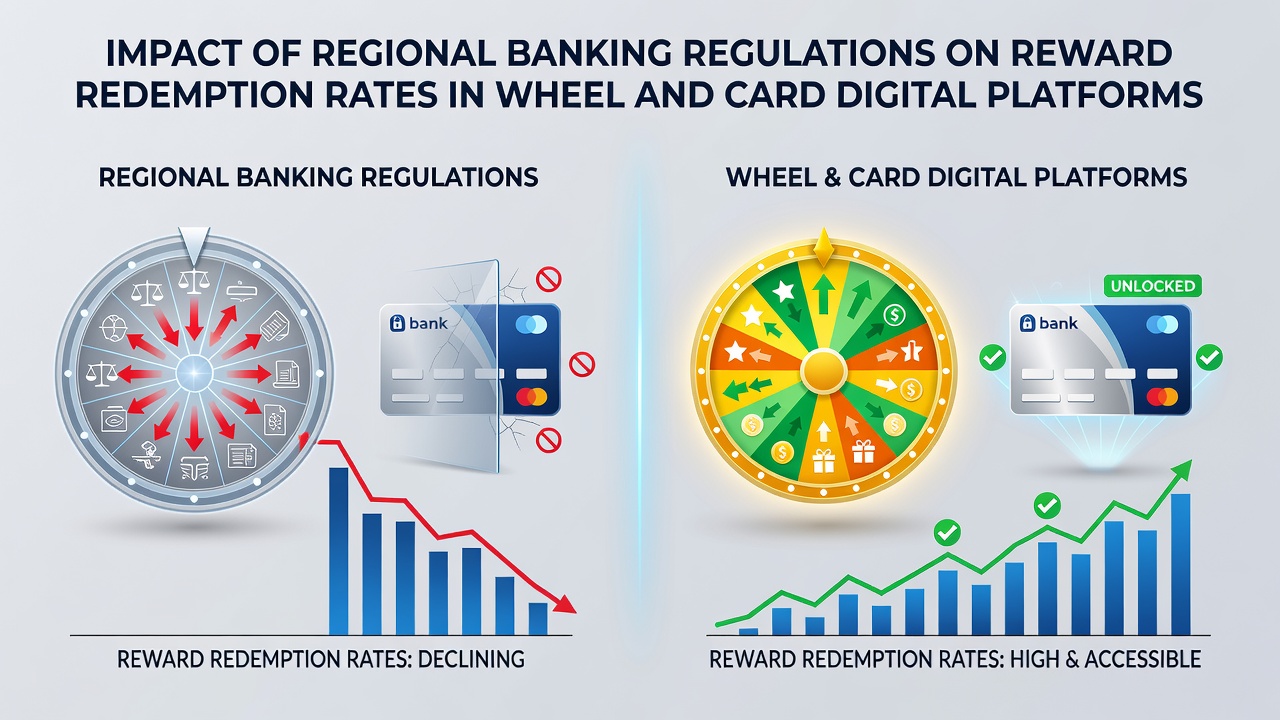
Impact of Regional Banking Regulations on Reward Redemption Rates in Wheel and Card Digital Platforms
Regional banking regulations shape how users access rewards on wheel and card digital platforms, and data from multiple jurisdictions shows measurable effects on redemption rates. Platforms that offer spin wheels for bonus triggers alongside card-based games must navigate varying rules on transaction verification, anti-money laundering checks, and cross-border payment flows. These requirements often determine whether a redemption processes quickly or stalls during compliance reviews.
United States Frameworks and Their Effects
Federal and state-level banking rules in the United States impose strict customer identification and transaction monitoring standards that directly influence reward processing timelines. Platforms operating under these conditions report that enhanced due diligence steps, required by agencies such as the Office of the Comptroller of the Currency, extend the average time from reward claim to payout. Figures from industry tracking services indicate redemption completion rates hover around 78 percent in states with layered oversight, compared with higher figures in less restrictive environments. October 2026 marks the scheduled rollout of updated federal guidance on digital payment authentication, which analysts expect will add further verification layers for high-volume redemptions.
European Approaches and Cross-Border Considerations
European Union directives on payment services and banking transparency create a different set of constraints for operators serving wheel and card platforms. The European Banking Authority publishes periodic assessments that track how strong customer authentication rules affect digital gaming payouts. Research compiled across member states shows that platforms must route redemptions through authorized banking channels, which sometimes reduces successful redemptions when users hold accounts at institutions with conservative risk policies. One study covering multiple platforms found that redemption rates declined by approximately 12 percent in regions where banks applied additional friction to gaming-related transfers. Observers note that these patterns persist even as operators refine their internal compliance tools.
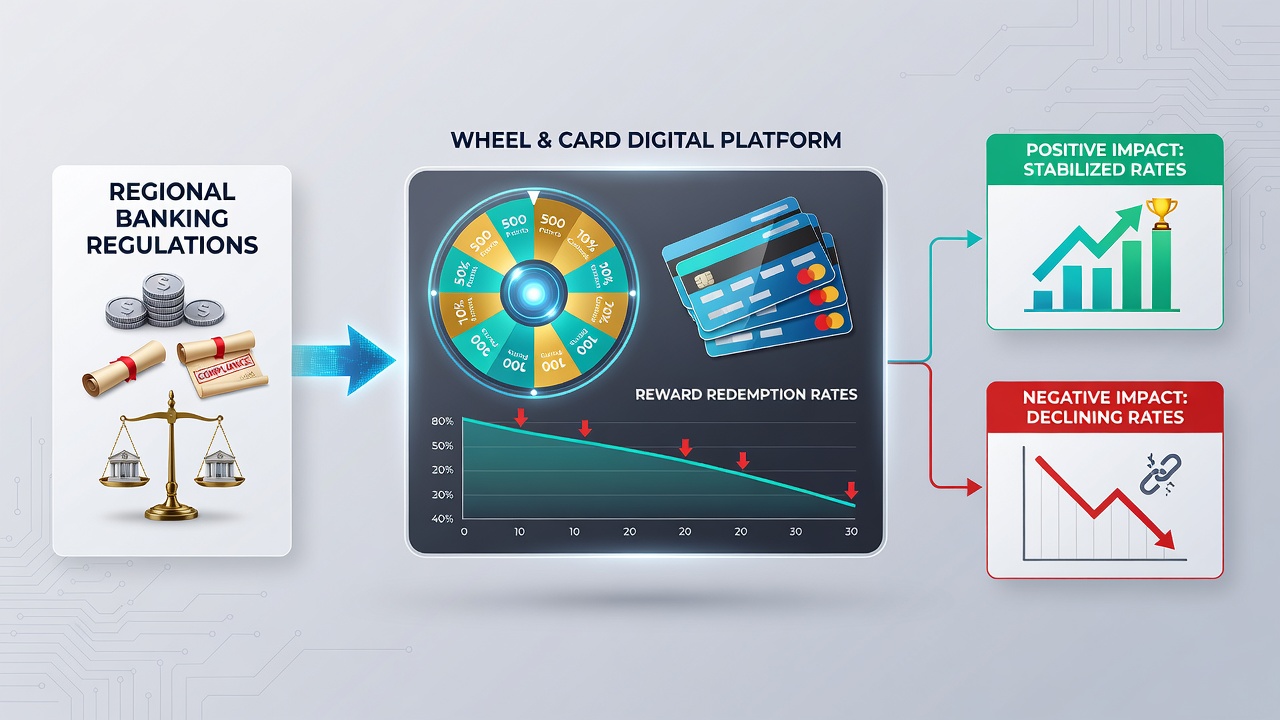
Canadian and Australian Regulatory Patterns
Canada's Office of the Superintendent of Financial Institutions maintains guidelines that require financial institutions to flag and review certain categories of digital transactions, including those tied to gaming rewards. Platforms report that these reviews contribute to temporary holds on larger redemptions, which in turn lowers overall completion percentages during peak periods. In Australia, similar oversight from the Australian Prudential Regulation Authority produces parallel outcomes, with data indicating that redemption success improves when platforms integrate directly with banks that have pre-approved gaming channels. Both jurisdictions demonstrate how regional banking priorities translate into operational adjustments for reward systems.
Platform Adaptations Across Markets
Operators respond to these regulatory differences by adjusting reward structures and payment partnerships. Some platforms segment their wheel and card offerings by region, offering smaller incremental redemptions in heavily regulated markets to stay below review thresholds. Others invest in automated compliance modules that pre-screen user data before rewards are issued. Evidence from platform performance reports shows that such adaptations can stabilize redemption rates, yet they also increase development costs that operators pass along through adjusted bonus terms. Researchers tracking these changes have documented consistent regional variation rather than uniform global standards.
Conclusion
Regional banking regulations continue to exert measurable influence on reward redemption rates within wheel and card digital platforms. Differences in verification requirements, transaction monitoring, and institutional risk policies produce distinct outcomes across the United States, European Union, Canada, and Australia. As new guidance takes effect in October 2026 and beyond, platforms will likely refine their processes further to maintain redemption performance while meeting compliance obligations. Data from regulatory bodies and industry reports underscore that these interactions remain central to how users experience reward systems in different markets.