Decoding Interplay Between RNG Algorithms and Loyalty Structures in Handheld Progressive Gaming Setups
Jordan Lang · Sep 17, 2026
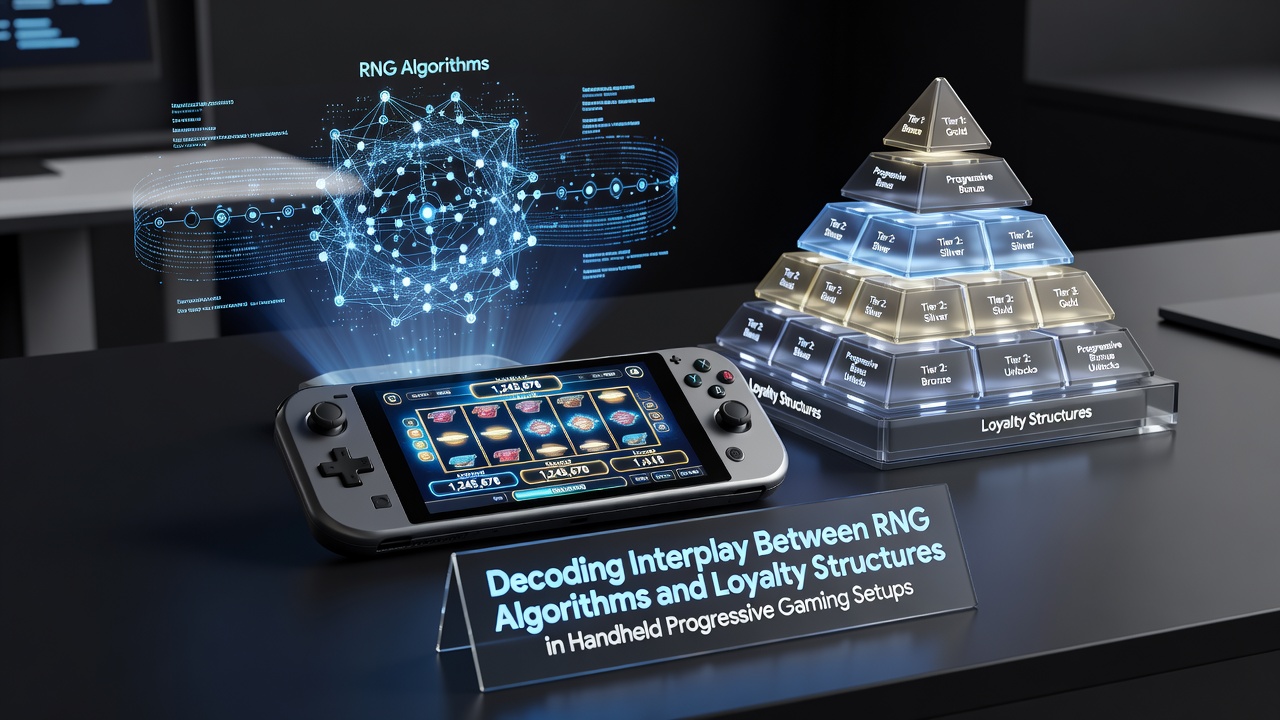
Decoding Interplay Between RNG Algorithms and Loyalty Structures in Handheld Progressive Gaming Setups
Handheld progressive gaming setups combine portable hardware with algorithms that generate random outcomes while loyalty structures record player activity across multiple sessions. These systems operate through certified random number generators that produce sequences determining symbol combinations and jackpot triggers, and loyalty programs integrate by assigning points proportional to total wagers placed on connected devices.
Developers embed RNG modules directly into firmware of handheld units so each spin or hand draws from an independent seed updated at microsecond intervals, whereas loyalty tracking occurs through separate database calls that log bet sizes without altering the random sequence itself. Regulatory frameworks in multiple jurisdictions require separation between these functions to maintain certified fairness standards.
RNG Fundamentals in Portable Progressive Systems
Random number generators in handheld progressive setups rely on cryptographic hash functions or hardware entropy sources that pass statistical test suites established by testing laboratories, and progressive jackpots accumulate contributions from a percentage of each wager across networked devices. Observers note that seed initialization often incorporates time stamps from device clocks combined with network latency data, which prevents predictable patterns even when players switch between handheld units in the same ecosystem.
Certification bodies examine source code and conduct long-run simulations before approving deployment, while September 2026 marks the scheduled implementation date for updated technical standards in several North American markets that mandate additional entropy checks for mobile platforms. Data from these evaluations shows that approved RNG implementations maintain outcome distributions within expected statistical bounds across millions of trials.
Loyalty Program Mechanics and Data Integration
Loyalty structures assign tiered rewards based on tracked coin-in totals, and handheld systems transmit this information through encrypted APIs to central servers that calculate point accrual in real time. Players receive benefits such as accelerated jackpot contributions or exclusive progressive pools once they reach predetermined thresholds, yet the underlying RNG continues to operate independently of these reward calculations.
Software architects design middleware layers that handle loyalty data flows separately from outcome generation, which allows operators to adjust reward multipliers without touching certified RNG components. Figures from industry reports reveal that loyalty-linked progressive pools often receive supplemental seeding from operator reserves rather than direct RNG modifications.
Technical Interconnections and Compliance Requirements
Integration points between RNG algorithms and loyalty structures occur at the wager logging stage, where each bet amount feeds both the progressive meter and the player account simultaneously. Handheld devices maintain local caches of recent outcomes to support offline play periods, then synchronize with loyalty databases upon reconnection, and this process preserves RNG integrity because cached results derive from previously generated sequences.
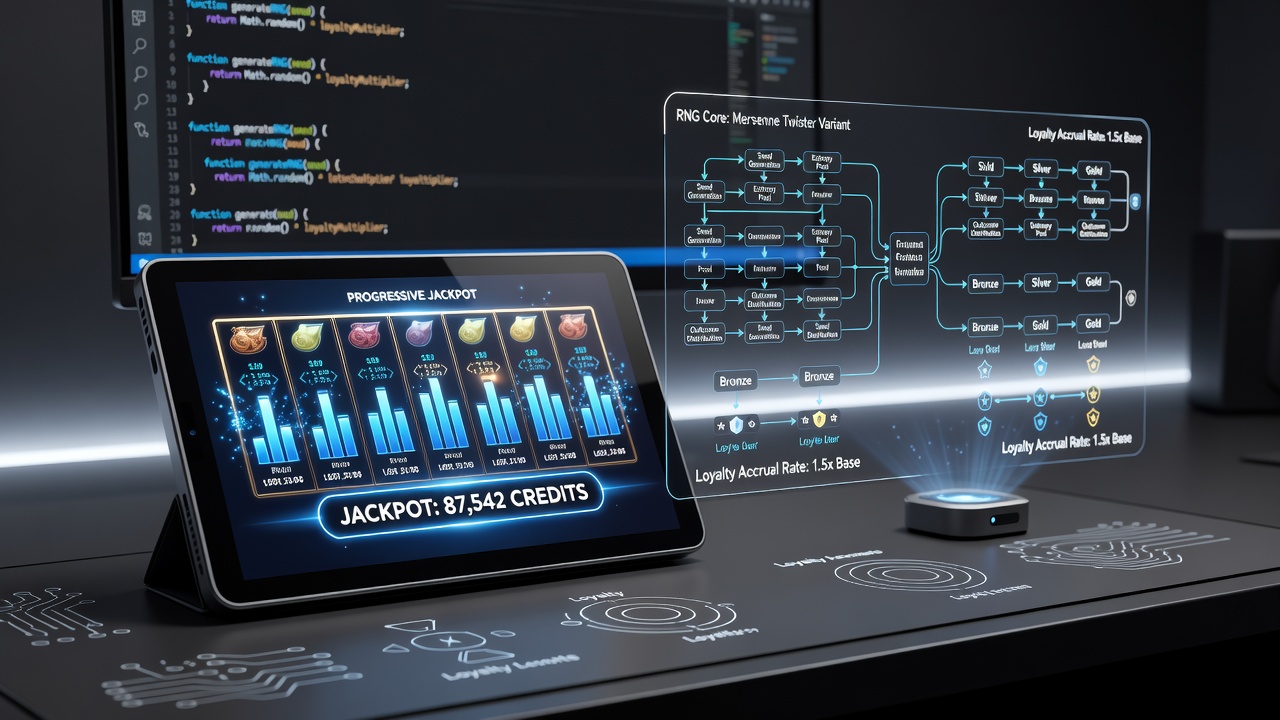
Testing protocols require independent verification that loyalty adjustments do not influence random sequences, and authorities in regions such as Nevada and Ontario publish annual compliance summaries documenting these verifications. Nevada Gaming Control Board reports detail how handheld progressive titles undergo periodic re-certification that includes both RNG and loyalty subsystem audits.
Geographic Variations in Regulatory Approaches
European markets apply technical standards through bodies such as the Malta Gaming Authority, which emphasizes audit trails for all data exchanges between RNG engines and loyalty platforms, whereas Australian state regulators focus on player fund segregation within progressive systems that incorporate loyalty multipliers. Researchers at academic institutions have published comparative analyses showing that these differing frameworks produce similar statistical fairness outcomes despite procedural variations.
Device manufacturers adapt their architectures to satisfy multiple regional requirements by modularizing RNG and loyalty components, which reduces redevelopment time when standards evolve. Evidence from deployment logs indicates that handheld units operating under unified international frameworks experience fewer synchronization issues during cross-border player migrations.
Future Developments and System Scalability
Advancements in edge computing allow more RNG processing to occur locally on handheld devices while loyalty calculations remain cloud-based, and this hybrid model supports lower latency gameplay without compromising audit capabilities. Industry organizations track adoption rates of these distributed architectures through voluntary reporting programs that aggregate performance metrics across operators.
September 2026 also coincides with planned updates to interoperability standards that will standardize loyalty point portability across different handheld progressive networks, according to documentation from technical working groups. Such changes require coordinated testing to confirm that RNG outputs remain unaffected by expanded data sharing protocols.
Conclusion
Handheld progressive gaming continues to rely on clearly delineated RNG algorithms and loyalty structures that interact through controlled data channels rather than direct functional overlap. Regulatory timelines including those set for September 2026 drive ongoing refinements in certification processes and system architecture, while geographic differences in oversight produce convergent results in statistical fairness. Observers continue to monitor how these components evolve alongside hardware improvements and cross-jurisdictional player expectations.